What to eat in Matsu? Here are the top 10 delicacies! (Part 2)
What to eat upon arriving in Matsu? From Matsu's fish balls to a range of seafood, the distinctive Matsu liquor, to red yeast fried rice and dingbianhu, each dish showcases Matsu's rich culinary culture and the island's abundant ingredients. It's not just a feast for the taste buds but also a deep dive into the local culture and history!
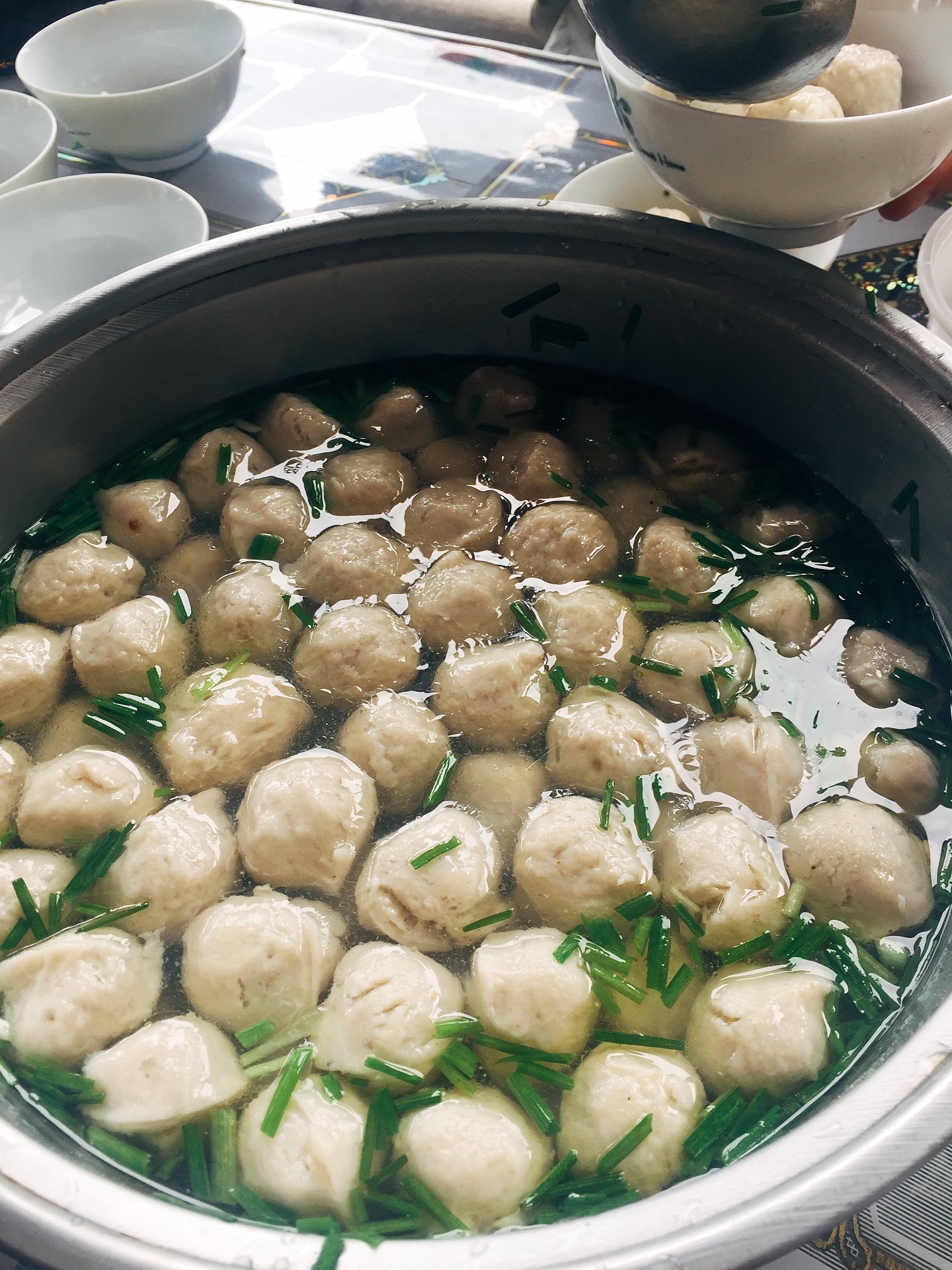
Matsu Delicacies 6: Fish Balls
With its unique flavor and way of eating, it greatly differs from the fish balls found in Taiwan. In Matsu, locals like to add white vinegar to the fish balls. This unique method of eating not only enhances the flavor of the fish balls but also makes this dish more representative of Matsu's local characteristics. This simple yet unique seasoning method makes Matsu fish balls stand out among many island delicacies, becoming a must-try dish.
Matsu Delicacies 7: Seafood

The seafood selection is varied, including a variety of shellfish such as mussels, Buddha's hand (a type of sea cucumber), conch, and razor clams, as well as seaweed, various types of fish, shrimp, and mantis shrimp. The rich seafood is not only a staple on the local residents' tables but also a must-try delicacy for tourists visiting Matsu. Each type of seafood has its unique texture and flavor, showcasing the abundant natural resources of Matsu's waters.
Matsu Delicacies 8: Sorghum Liquor

When discussing the alcohol culture in Matsu, Matsu sorghum liquor, along with Chen Gao and aged liquor, are local specialty alcoholic beverages. Matsu sorghum liquor is renowned for its sweet and clear spring water and the unique brewing environment of the 88 Tunnels, offering a rich yet smooth flavor. It is affectionately known as "mother" sorghum liquor, contrasting interestingly with Kinmen's "father" sorghum liquor. Matsu aged liquor, on the other hand, is a precious brew that every household makes or owns. Its unique fragrance and full-bodied texture are an important part of Matsu culture.
Matsu Delicacies 9: Red Yeast Fried Rice

To make the red yeast fried rice, start by stir-frying chopped garlic and ginger over high heat until they become fragrant, extracting the essence of garlic and ginger to enhance the flavor of the subsequent cooking. Next, pour in the distinctive red yeast sauce and continue to stir-fry to fully release its aroma.
At this point, add an appropriate amount of rice wine, which not only helps to improve the aroma of the dish but also enriches the flavors of the ingredients. Then, add the white rice to the pan and stir vigorously, ensuring each grain of rice is evenly coated with the aroma of red yeast, garlic, and ginger.
Incorporate the pre-prepared seasoning, as well as the previously prepared scrambled eggs and chopped green onions. In this final stage, quickly and gently mix until all the ingredients are fully combined and the rice grains turn golden.
Matsu Delicacies 10: Dingbianhu

Dingbianhu, a traditional dish originating from Fuzhou, enjoys widespread popularity in Matsu as well. Its uniqueness lies in cooking rice batter along the sides of the pot, combined with a rich mix of ingredients such as seafood, vegetables, and meat to form a distinctive and delicious soup. Traditional dingbianhu, known for its unique preparation technique and flavor, stands out as one of Matsu's culinary delights. Moreover, many locals in Matsu believe that the flavor and texture of homemade dingbianhu far surpass that of commercially available products, more authentically reflecting the tradition and uniqueness of the dish.