Matsu Cave Exploration: Nangan Beihai Tunnel will make your experience unforgettable!
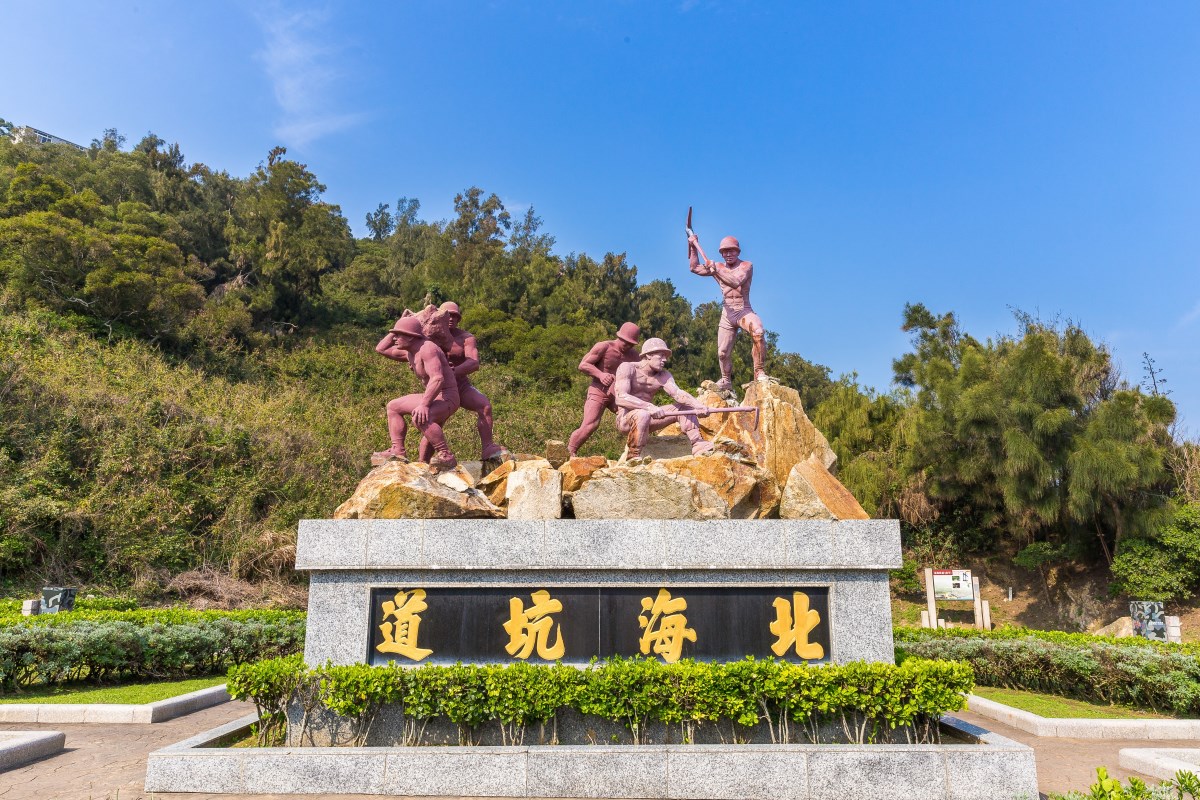
The "Beihai Project" that began in 1968 was a strategic construction endeavor aimed at excavating a series of underground docks in the Matsu area, specifically for the use of guerrilla warships. After the military withdrew, these underground docks were transformed into a unique wartime landscape in Matsu. Beihai Tunnel, located along the Tieban coastline, is the most notable among these underground facilities. Let's go ahead and explore the tunnel!
The construction and structure of the Beihai Tunnel in Nangan
Constructed deep into the mountain belly, it consists of a canal that is 640 meters long, 10 meters wide, and 18 meters high. The water level in the canal can reach up to 8 meters during high tide and drops to 4 meters during low tide. To facilitate visitors, a 700-meter-long walkway is also available, and it takes about 30 minutes for visitors to walk around. However, the visit to the tunnels must be arranged according to the ebb and flow of the tide, and it is only open to the public during low tide.
As we step into the strategic location of the past, we can witness the majestic rock walls and the dark reflections on the water surface, which often elicits deep admiration!

The construction of the underground dock was extremely difficult, taking 820 working days and involved the use of 2 divisions, 3 infantry battalions, 1 engineer battalion, and 1 dump truck company. The construction conditions at that time were very rudimentary, mainly relying on explosives to blast and manual labor to dig through granite walls. Many officers and soldiers sacrificed during this process, making this project not only a testament to historical hardships but also a reflection of the ultimate in human will and courage.
The historical architectural value of the Beihai Tunnel in Nangan, combined with the phenomenon of the Blue Tears.
Besides its historical and architectural significance, the Beihai Tunnel has also become famous in recent years for the "Blue Tears" phenomenon. This natural phenomenon is caused by tiny bioluminescent organisms emitting light at night, particularly enchanting in the low light pollution environment near the entrance of the tunnel. Many tourists take rowboat rides into the tunnel at night, in search of these small, beautiful points of light, creating a unique and unforgettable experience.
In this way, the Beihai Tunnel is not only a witness to the history of Matsu but has also become a tourist attraction that combines natural beauty with cultural history. The construction of the tunnel showcases the effort and sacrifice made for national security at the time, as well as being an engineering feat. Today, this underground structure has become a cultural heritage of Matsu, attracting tourists from all over the world.
The construction of the Beihai Tunnel was during the Cold War period, when the tense situation in the Taiwan Strait region prompted authorities to take such defensive measures. This massive construction project was not only for military needs but also a challenge to the limits of technology and human capability at the time. To build these tunnels, the engineering team had to work for long hours under harsh natural conditions. The existence of the Beihai Tunnel not only witnesses a turbulent history but also reflects the great emphasis people placed on national security at that time.
Beihai Tunnel: A Unique Nighttime Travel Experience.

With the discovery of the "Blue Tears" phenomenon, the tunnel has become an excellent spot for observing this natural wonder. At night, we can take a rowboat, gently gliding into the depths of the tunnel, to experience those shimmering blue spots of light. These light spots are produced by marine microorganisms glowing under specific conditions, creating a serene and dreamlike scene.
The protection and maintenance of the Beihai Tunnel are not only about preserving history but also a form of respect for nature and culture. This site offers a unique perspective, allowing visitors to understand the history of the land, appreciate the beauty of nature, and experience an unforgettable journey.
It is not only a place for sightseeing but also a space for learning and reflection, allowing people to gain a deeper understanding and contemplation of history while exploring these underground tunnels. It has attracted numerous domestic and international tourists, having a positive impact on the economy!